

La industria automovilística de Alemania invertirá cerca de 60.000 millones de euros en los próximos tres años

Según ha informado desde la agencia de noticias económicas Reuters, la industria automovilística de Alemania invertirá cerca de 60.000 millones de euros en los próximos tres años en sectores como el coche eléctrico y conducción automática. Así lo ha indicado el jefe de la asociación de la industria automovilística VDA en un acto previo al inicio del Salón del Automóvil de Ginebra.
Volvo expects electric-car margins to match conventional vehicles by 2025

The commercial margins of manufacturing combustion cars to electric cars are very different. And manufacturers like Volvo are already warning you in information with these very specific percentages. Volvo expects its margins on electric cars to match those of vehicles with combustion engines by 2025, CEO Hakan Samuelsson said.
Daniel Tarragona, Presidente de CETM Portavehículos Logística Automoción y Presidente Consejero Delegado de SETRAM describe los retos más urgentes
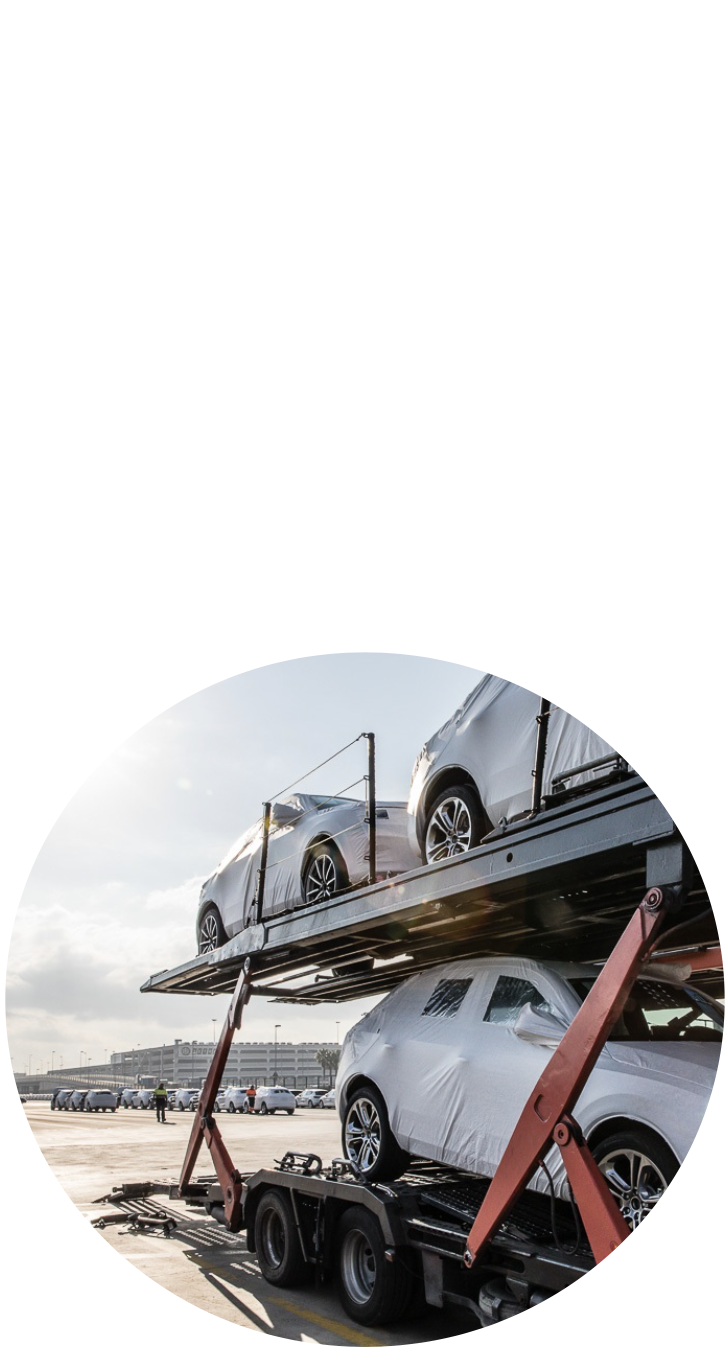
Daniel Tarragona, Presidente de CETM Portavehículos Logística Automoción y Presidente Consejero Delegado de SETRAM, realizó una exposición detallada de la coyuntura en la logística del vehículo terminado
VW says rollout of driverless vehicles will be limited by high costs
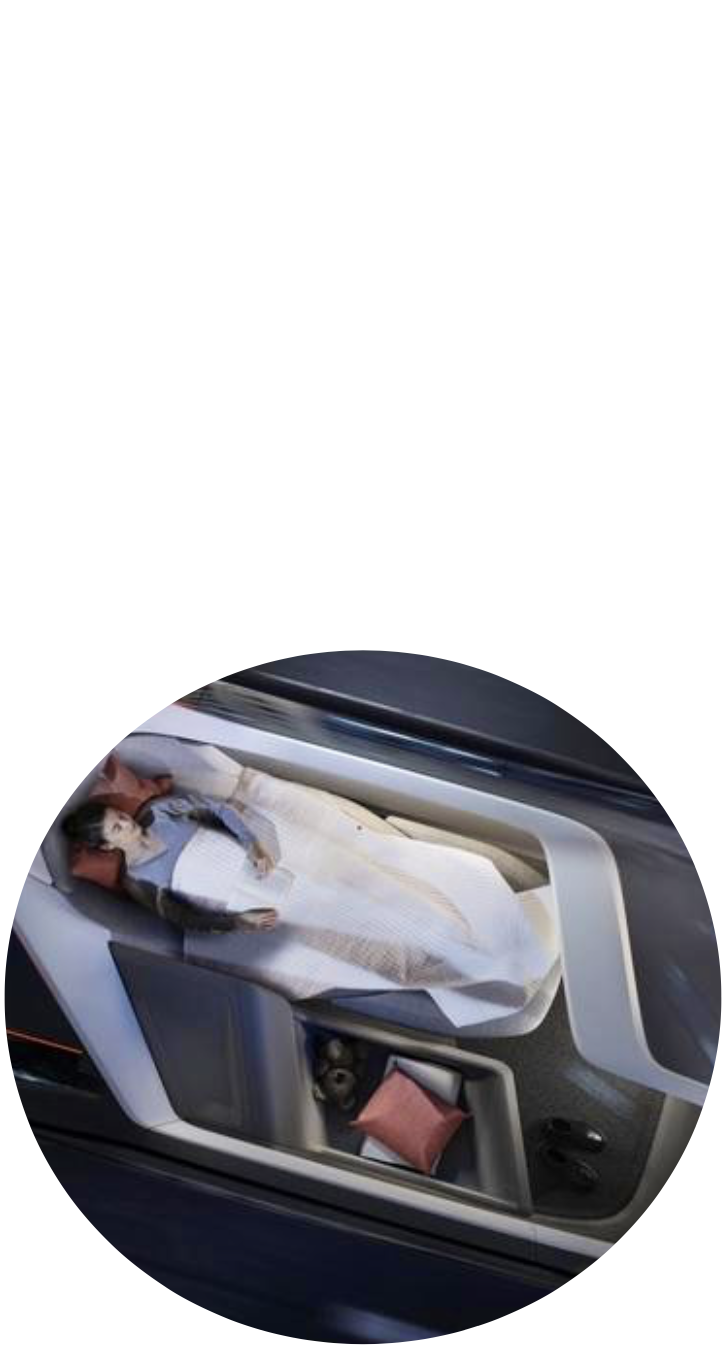
Faced with the euphoria of many car manufacturers with the presentation of future autonomous cars, VW has thrown a jug of cold water ensuring that autonomous driving will be limited by high production costs. Who will be right?
Las claves del Smart Port: Ciberseguridad, Big Data, Blockchain, Geolocalización, e intermodalidad inteligente
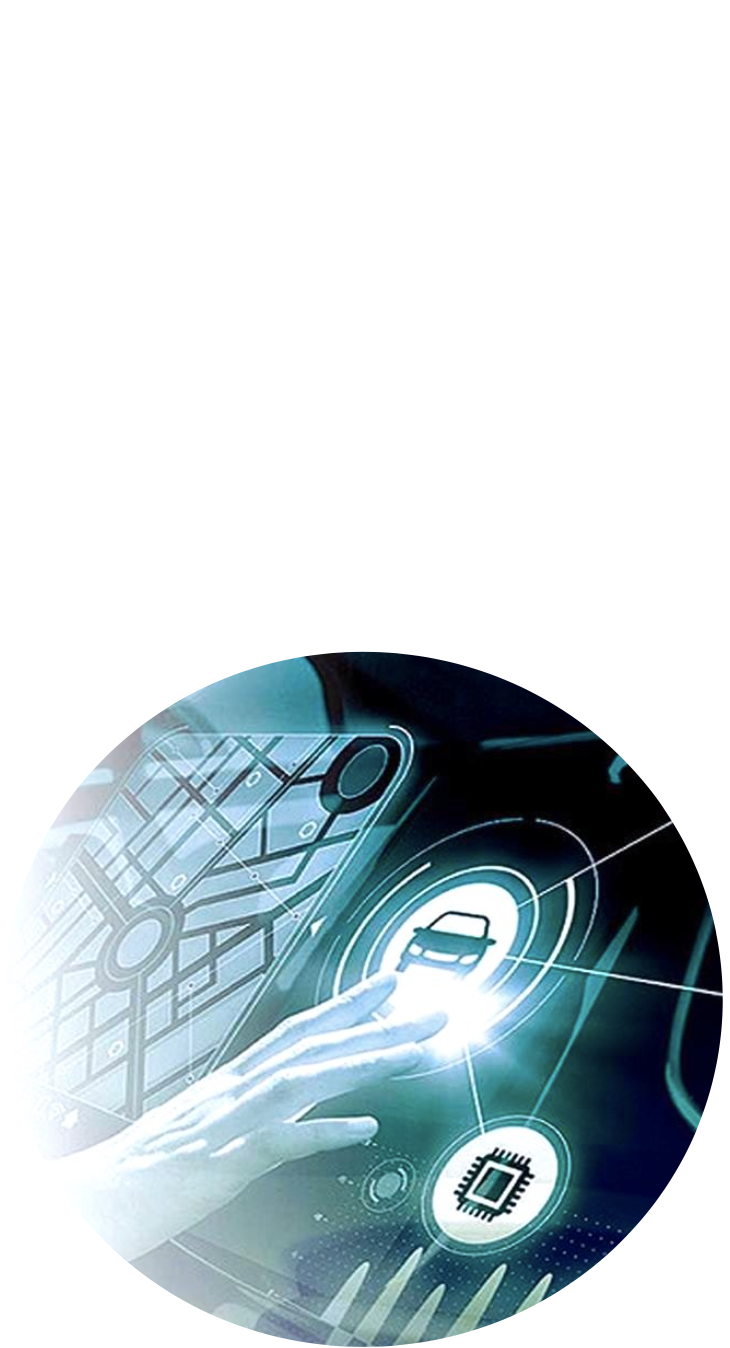
El pasado mes de diciembre, se celebró la cuarta reunión de los miembros de ChainPORT en el Port de Barcelona. En ese encuentro participaron presidentes y directores generales de algunos de los principales puertos internacionales, aunque el protagonismo fue para los CIO y expertos en estrategia digital. Entre los asistentes a la reunión estaban Piet Opstaele (puerto de Amberes); Lance Kaneshiro (puerto de Los Ángeles); Paul Walter (puerto de Rotterdam); Daniel Oliver (puerto de Montreal); Dr. Sebastian Saxe (puerto de Hamburgo) y Chin Yong Ko (puerto de Singapur), así como Huang Heng (puerto de Shanghái). Los seis desafíos que más preocuparon a los CIO durante su encuentro en Barcelona se exponen a continuación.
Deloitte defines the next challenges for the automotive industry until 2030
After nearly a decade of unprecedented growth, the automotive industry may soon encounter a plateau. As disruption in the industry unfolds, automotive suppliers must develop innovative growth strategies to thrive in a completely new environment. There will be significant challenges ahead as traditional revenues for suppliers are at risk; however, there are also new opportunities that may significantly outweigh the risks that suppliers can take advantage of during this growth slowdown.
Study by Transport & Environment: “Transport can and must be decarbonised by 2050 at the very lates”
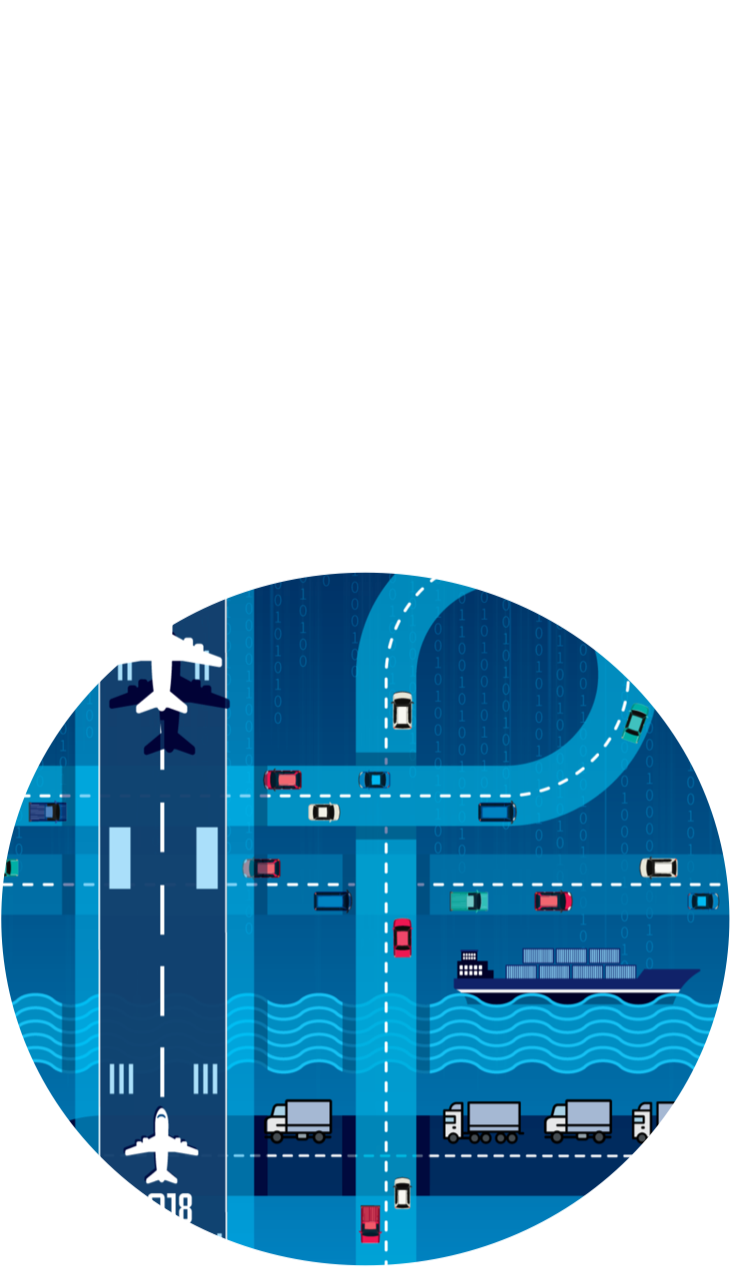
Decarbonising the entire European economy will require a holistic approach. Most transport modes can be decarbonised following different pathways. However, they have very different implications for the overall energy system. Unless ways are found to exponentially increase the amount of zero emission electricity at low cost it will remain important to minimise the need for additional clean electricity. This means that an approach focused on using the most efficient pathways (direct charging) wherever possible is recommended. Given the much lower efficiencies of hydrogen but in particular electrofuels, these are optimally used only where no other alternatives exists.
2050: Europa pone fecha a la desaparición de los combustibles fósiles
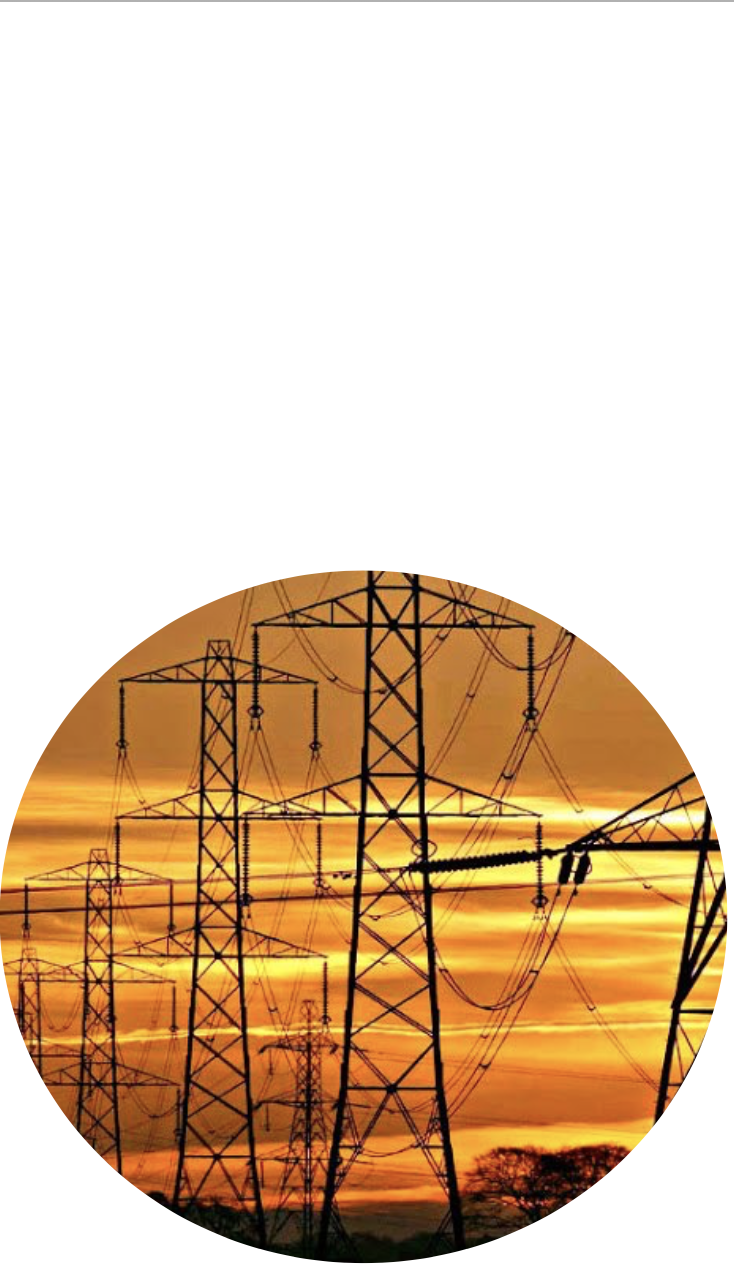
A la mitad del siglo XXI se dejarán de utilizar en la UE el carbón, el petróleo y el gas natural. En el 2050 parece ser la fecha definitiva para utilizar aparatos propulsados con combustibles fósiles. En treinta dos años se deberá llevar la transición en múltiples sectores industriales y domésticos. Toda una revolución energética que pone a la electricidad ( su generación, almacenamiento y distribución) como la gran alternativa.
Head-Up Display: El parabrisas del automóvil será la segunda pantalla gracias a la realidad aumentada
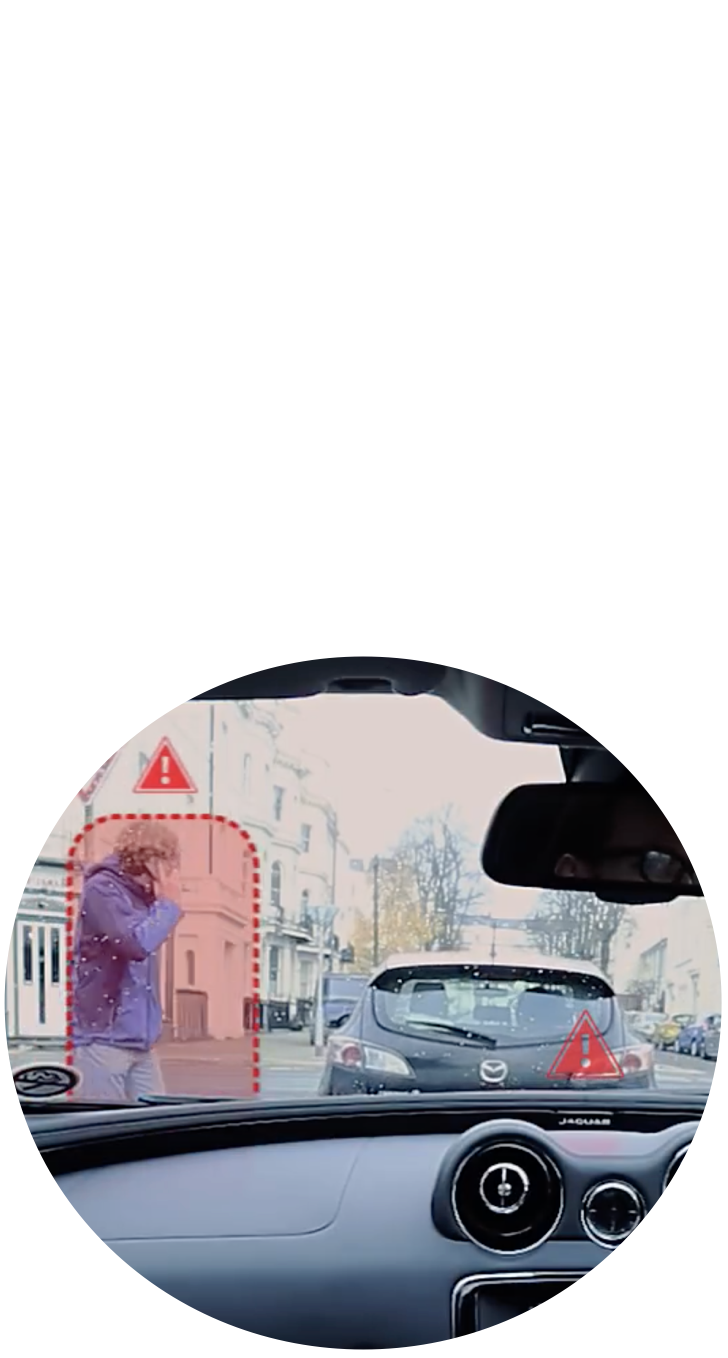
La Realidad Aumentada (RA) se consolida en los parabrisas de los coches, al mismo tiempo que se harán autónomos. Se trata de una tecnología que se proyecta sobre el parabrisas del coche y ofrece toda la información que se solicitemos en cualquier formato de texto y audiovisual. El Economista ha realizado un gran reportaje con todos los detalles de la (RA) en la industria de la automoción
The ethical implications of autonomous driving, to debate and study
The German Government has published a report on the ethical scenario of autonomous driving. A little explored terrain that needs study and debate during the next months. The era of autonomous driving starts, but there are laws and rules to be created. Next, we publish a summary and we invite you to share your opinion in this Blog or in @_setram